
A sleep disorder called sleep apnea is characterized by shallow or periodic breathing while you’re asleep. These breathing pauses might happen several times during the night, which can cause sleep disturbances and other health issues. Obstructive sleep apnea (OSA), central sleep apnea (CSA), and complex sleep apnea syndrome (mixed sleep apnea) are the three main forms of sleep apnea.
The most prevalent type of sleep apnea, known as obstructive sleep apnea (OSA), is brought on by excessive relaxation of the throat muscles during sleep, which partially or totally blocks the airway. As a result of the blockage, the person strains to breathe and may snore, gasp, or choke. Obesity, age, smoking, drinking alcohol, and physical characteristics like larger tonsils or a constricted airway are risk factors for OSA.
Less frequently, central sleep apnea (CSA) happens when the brain malfunctions in sending the correct signals to the breathing muscles. In contrast to OSA, which is characterized by a physical blockage of the airway, CSA is a neurological condition that interferes with the body’s ability to regulate breathing. Certain medical issues like heart failure, stroke, or neurological illnesses have been linked to CSA.
Obstructive and central sleep apnea are both present in complex sleep apnea syndrome, sometimes referred to as mixed sleep apnea. The symptoms of both forms of apnea are present in those who have this illness, complicating diagnosis and therapy.
Loud snoring, increased daytime tiredness, morning headaches, irritability, difficulties concentrating, and frequent nighttime urination (nocturia) are all common signs of sleep apnea. Serious health issues like high blood pressure, heart disease, stroke, diabetes, and cognitive decline can result from sleep apnea if treatment is not received.
A sleep study, sometimes called polysomnography, is usually required for the diagnosis of sleep apnea. This research can be carried out at home or in a sleep laboratory utilizing portable monitoring equipment. In order to evaluate the quality of sleep and identify any anomalies suggestive of sleep apnea, a number of measures, including breathing patterns, oxygen levels, heart rate, and brain activity, are tracked during the sleep study.
The severity and type of sleep apnea identified will determine the course of treatment. It may be advised to make lifestyle changes for mild cases of OSA, such as losing weight, quitting smoking, and avoiding sedatives and alcohol before bed. Additionally helpful in preventing airway obstruction is positional therapy, which entails sleeping on one’s side as opposed to one’s back.
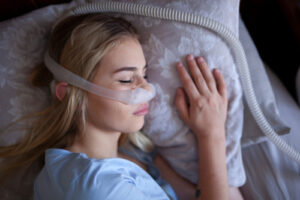
For moderate to severe OSA, continuous positive airway pressure (CPAP) therapy is the gold standard. Wearing a mask attached to a machine that continuously blows air into the airway while you sleep is part of this therapy. Additional treatments for treating OSA include surgery to remove or realign obstructive tissue in the throat and oral appliances that realign the jaw and tongue to prevent airway collapse.
Treatment options for central sleep apnea include supplemental oxygen, CPAP therapy, and breathing stimulant drugs. The symptoms of central sleep apnea may occasionally be lessened by treating underlying medical issues including heart failure or neurological disorders.
To summarize, sleep apnea is a prevalent sleep disorder marked by shallow or paused breathing during the night. If left untreated, it can have detrimental effects on one’s health; however, there are efficient treatment alternatives that can help control symptoms and enhance sleep. It’s critical to get an assessment and treatment from a licensed healthcare provider if you think you or a loved one may have sleep apnea.