All You Need To Know About Teeth Extractions

One or more teeth are extracted from the mouth during a tooth extraction, a common dental treatment. This surgery is carried out for a number of reasons, including infection and tooth decay, overcrowding, and orthodontic treatment preparation. Extractions are sometimes required to preserve general oral health and stop future issues, even though they are typically seen as a last resort.
When teeth are beyond repair due to severe dental decay, one of the main causes of tooth extractions is this damage. A root canal procedure may be necessary if a cavity damages the pulp, which is the tooth’s innermost layer and contains blood vessels and nerves. The only practical alternative to stop the infection from spreading to neighboring teeth and gums, though, is extraction if it has grown too severe. Similar to this, extensive gum disease (periodontia) can lead to teeth becoming loose because the supporting bone and tissue deteriorate, requiring the extraction of the teeth.

In addition, orthodontic procedures frequently involve the extraction of teeth. When the mouth is overly full, extracting some teeth can free up enough room so that braces or other orthodontic appliances can be used to properly align the remaining teeth. Achieving both a functional bite and a smile that looks good often depends on this. Furthermore, third molars, or wisdom teeth, are routinely extracted. Usually appearing in late adolescence or early adulthood, these teeth can lead to issues including impaction, which is the failure of a tooth to fully erupt from the gum line, crowding, or infection. Wisdom tooth extractions done early on can help avoid future discomfort and issues.

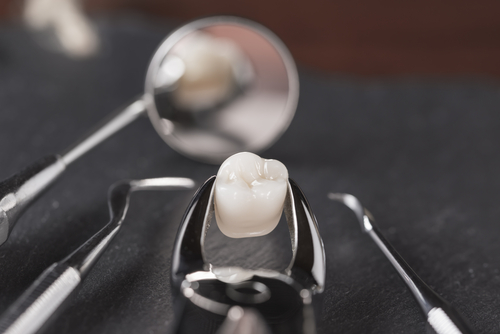
Depending on the location and state of the tooth, the extraction process itself may be simple or intricate. When a tooth is visible in the mouth, a straightforward extraction is done. The elevator is the tool that the dentist uses to release the tooth, then forceps are used to extract it. To ensure the patient feels as little discomfort as possible, local anesthetic is used to numb the area.

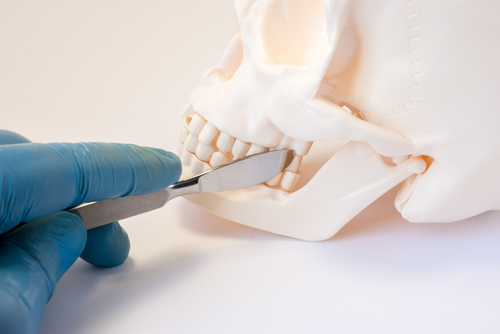
In contrast, teeth that are difficult to reach, including impacted wisdom teeth or teeth fractured at the gum line, frequently need a surgical extraction. In certain instances, the tooth may need to be cut into portions for simpler removal, and this treatment may require making an incision in the gum to gain access to the tooth. Oral surgeons usually undertake surgical extractions, and patients are kept comfortable with the use of local anesthetic or sedation.

After extraction, care must be given to promote healing and prevent problems like dry socket, which is a painful condition that develops when the blood clot at the extraction site comes loose. Patients are instructed to bite down on a piece of gauze to stop bleeding and aid in the formation of a clot after the extraction. It’s critical to take a day or more off from exertion and rest. Rinsing, spitting, and straw use can cause the clot to come loose, thus patients should refrain from doing these things. In addition to using over-the-counter painkillers to treat discomfort, applying an ice pack to the cheek can assist minimize swelling.

For the first several days after recovery, soft foods and lots of fluids are advised; as time goes on, more solid foods can be added. Sustaining dental hygiene is crucial, however when brushing and flossing, caution should be used to avoid the extraction site. After the first twenty-four hours, the region can be kept clean by rinsing with a warm saltwater solution.

In summary, surgical or simple tooth extractions are essential to preserving oral health. In order to stop more issues, they treat serious decay, infection, crowding, and troublesome wisdom teeth. Appropriate post-extraction management reduces discomfort and promotes easy healing. Patients can recuperate fast and keep their mouths pain-free by listening to their dentists and practicing good oral hygiene.
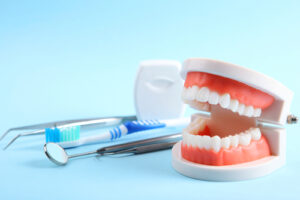

Stuff You Should Know About Gum Treatment

One of the most important aspects of keeping your mouth healthy and preventing gum disease is gum therapy, often called periodontal treatment. Periodontal disease, sometimes called gum disease, is a progressive illness that affects the tooth’s supporting tissues as well as the gums. Early intervention is crucial since gum disease can have a systemic health impact and result in tooth loss if left untreated.

Plaque accumulation, a sticky bacterial film that develops on teeth, is the main cause of gum disease. Plaque can harden into tartar (calculus), which irritates the gums and causes irritation, if it is not removed by routine brushing and flossing. Gums that are red, swollen, and perhaps bleeding during brushing or flossing are the hallmarks of gingivitis, the early stage of gum disease. Fortunately, gingivitis can be reversed with better oral hygiene practices and dental care from a dentist.

A thorough dental examination is usually required before beginning gum treatment in order to determine the severity of the gum disease and to find any underlying causes. Dental X-rays to evaluate bone loss, measures of pocket depths—the spaces between the gums and teeth—and additional diagnostic procedures as necessary may be part of this evaluation.

Removing plaque and tartar accumulation, lowering inflammation, and regaining gum health are the objectives of gum therapy. This could entail both at-home oral hygiene routines and professional dental cleanings. The dentist or dental hygienist uses specialized tools to remove plaque and tartar from both above and below the gum line during a dental cleaning procedure known as scale and root planing. Smoothing the tooth roots with root planing reduces the likelihood of future plaque formation by making it harder for bacteria to cling to the tooth.

It is usually recommended that patients enhance their oral hygiene practices at home in addition to receiving professional cleanings. This include using an antimicrobial mouthwash to lessen germs in the mouth, flossing every day to eliminate plaque from in between teeth and along the gum line, and brushing teeth twice a day with fluoride toothpaste.

In situations of gum disease that are further advanced, additional therapies could be required. Dental implants can be used to replace lost teeth brought on by severe gum disease, periodontal surgery to repair damaged gum tissue or remodel the gum line, and antibiotic therapy to eradicate germs and lessen inflammation.

To track the effectiveness of gum treatment and preserve gum health over time, routine follow-up appointments with the dentist or periodontist are crucial. During these visits, more teeth cleanings, gum tissue assessments, and other necessary treatment modifications may take place.

Maintaining dental health requires preventing gum disease. Apart from routine dental check-ups and cleanings, people can lower their chance of developing gum disease by maintaining proper oral hygiene, abstaining from tobacco, eating a balanced diet, and controlling underlying medical disorders like diabetes, which can exacerbate gum disease.

To sum up, gum disease therapy is necessary to control gum disease and preserve oral health. Gum therapy can stop the advancement of gum disease and its related consequences by eliminating plaque and tartar accumulation, lowering inflammation, and enhancing oral hygiene practices. People can have healthy gums and a self-assured smile for many years to come with the right maintenance and frequent dental checkups.

Sleep Apnea: Do You Have It?

A sleep disorder called sleep apnea is characterized by shallow or periodic breathing while you’re asleep. These breathing pauses might happen several times during the night, which can cause sleep disturbances and other health issues. Obstructive sleep apnea (OSA), central sleep apnea (CSA), and complex sleep apnea syndrome (mixed sleep apnea) are the three main forms of sleep apnea.

The most prevalent type of sleep apnea, known as obstructive sleep apnea (OSA), is brought on by excessive relaxation of the throat muscles during sleep, which partially or totally blocks the airway. As a result of the blockage, the person strains to breathe and may snore, gasp, or choke. Obesity, age, smoking, drinking alcohol, and physical characteristics like larger tonsils or a constricted airway are risk factors for OSA.

Less frequently, central sleep apnea (CSA) happens when the brain malfunctions in sending the correct signals to the breathing muscles. In contrast to OSA, which is characterized by a physical blockage of the airway, CSA is a neurological condition that interferes with the body’s ability to regulate breathing. Certain medical issues like heart failure, stroke, or neurological illnesses have been linked to CSA.

Obstructive and central sleep apnea are both present in complex sleep apnea syndrome, sometimes referred to as mixed sleep apnea. The symptoms of both forms of apnea are present in those who have this illness, complicating diagnosis and therapy.

Loud snoring, increased daytime tiredness, morning headaches, irritability, difficulties concentrating, and frequent nighttime urination (nocturia) are all common signs of sleep apnea. Serious health issues like high blood pressure, heart disease, stroke, diabetes, and cognitive decline can result from sleep apnea if treatment is not received.

A sleep study, sometimes called polysomnography, is usually required for the diagnosis of sleep apnea. This research can be carried out at home or in a sleep laboratory utilizing portable monitoring equipment. In order to evaluate the quality of sleep and identify any anomalies suggestive of sleep apnea, a number of measures, including breathing patterns, oxygen levels, heart rate, and brain activity, are tracked during the sleep study.

The severity and type of sleep apnea identified will determine the course of treatment. It may be advised to make lifestyle changes for mild cases of OSA, such as losing weight, quitting smoking, and avoiding sedatives and alcohol before bed. Additionally helpful in preventing airway obstruction is positional therapy, which entails sleeping on one’s side as opposed to one’s back.

For moderate to severe OSA, continuous positive airway pressure (CPAP) therapy is the gold standard. Wearing a mask attached to a machine that continuously blows air into the airway while you sleep is part of this therapy. Additional treatments for treating OSA include surgery to remove or realign obstructive tissue in the throat and oral appliances that realign the jaw and tongue to prevent airway collapse.

Treatment options for central sleep apnea include supplemental oxygen, CPAP therapy, and breathing stimulant drugs. The symptoms of central sleep apnea may occasionally be lessened by treating underlying medical issues including heart failure or neurological disorders.

To summarize, sleep apnea is a prevalent sleep disorder marked by shallow or paused breathing during the night. If left untreated, it can have detrimental effects on one’s health; however, there are efficient treatment alternatives that can help control symptoms and enhance sleep. It’s critical to get an assessment and treatment from a licensed healthcare provider if you think you or a loved one may have sleep apnea.

Your Dental Implants Guide

Dental implants, which offer a strong and aesthetically pleasing way to replace lost teeth, have completely changed modern dentistry. For patients looking to restore their smile and oral function, these prosthetic implants provide several advantages because they are made to resemble the form and function of real teeth.

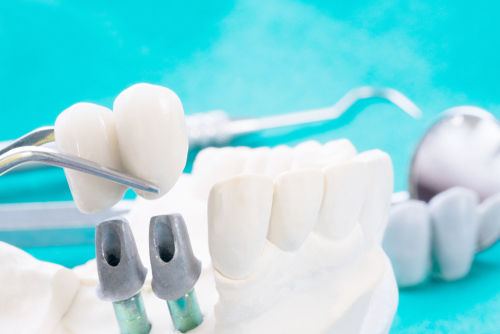
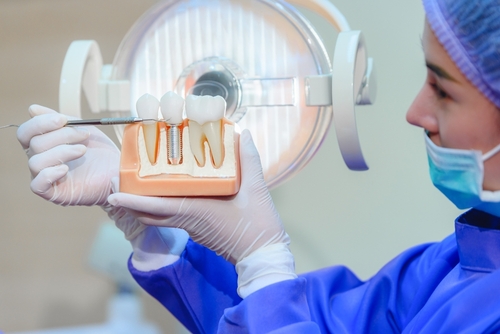
The prosthetic crown, abutment, and implant fixture are the three primary parts of a dental implant. The implant fixture is a tiny titanium post that is surgically placed into the mandible, where it undergoes osseointegration or the fusion of the implant with the surrounding bone. This integration keeps the jaw’s bone from deteriorating and offers a solid base for the new tooth. As a link between the implant and the prosthetic crown, the abutment is subsequently fastened to the implant fixture. The restoration is then finished when the prosthetic crown, which is created to order to match the natural teeth’s size, shape, and color, is fastened to the abutment.

The ability of dental implants to restore natural teeth’s appearance and functionality is one of their main benefits. Dental implants restore the entire tooth structure, from root to crown, in contrast to conventional tooth replacement choices like dentures or bridges, which only replace the visible portion of the tooth. With this all-encompassing repair, patients can confidently eat, speak, and smile without having to worry about the slippage or discomfort that come with having removable dentures.

In addition, dental implants provide stability and endurance over the long term; with the right maintenance, they may last a lifetime. Dental implants are not prone to cavities or decay, in contrast to natural teeth, which may need root canal therapy. But to maintain the health and durability of dental implants, proper oral hygiene habits like brushing, flossing, and routine dental checkups are crucial.

The capacity of dental implants to stop jawbone deterioration is another benefit. Because there is no longer any stimulation from chewing forces, the surrounding bone gradually deteriorates once a tooth is gone. This may affect the stability of neighboring teeth and cause changes in the appearance of the face, such as a sunken or aged aspect. Like real tooth roots, dental implants stimulate the underlying bone, preserving bone density and the structural integrity of the jawbone.

Additionally, a variety of individuals with differing degrees of tooth loss might benefit from dental implants due to their adaptability in terms of treatment alternatives. Dental implants can be tailored to each person’s specific requirements and preferences, whether they are replacing a single tooth, several teeth, or an entire arch of teeth. Dental implants can also be used to anchor removable dentures, giving denture wearers a more snug and comfortable fit.

Even though dental implants have many advantages, not everyone may benefit from them. A patient’s eligibility for implant treatment must be thoroughly assessed based on factors such bone density, dental hygiene practices, and general health. Furthermore, a few medical disorders like untreated gum disease or uncontrolled diabetes may have an impact on how well dental implant surgery goes.

To sum up, dental implants are a very practical and successful way to replace lost teeth, and they have several benefits over more conventional methods. Dental implants give patients a natural-looking, long-lasting smile that improves overall quality of life because they can restore both form and function. Speak with a licensed dental practitioner if you’re thinking about getting dental implants to find the best course of action for your unique requirements.

Why Are Dental Crowns Necessary

A dental crown is a common restorative dentistry technique used to cover and protect a weak or fractured tooth. These caps, which mimic natural teeth, are placed over the original tooth to restore its size, shape, strength, and appearance. Crowns can be made of porcelain, ceramic, metal, or a combination of these materials, depending on the patient’s demands and the tooth’s location in the mouth. Every substance offers a special set of benefits.


A dental crown may be required for a variety of dental disorders. Restoring a tooth that has had root canal therapy or has been seriously weakened by decay is one of the primary objectives. A crown helps prevent further damage and preserve the remaining tooth structure. Tooth deterioration or fractures are also replaced with crowns to guarantee both function and aesthetic appeal. Crowns can also be used to support dental bridges, cover dental implants, and improve the appearance of teeth that are broken or crooked.

Typically, the crown operation takes two dentist appointments to finish. During the first appointment, the dentist removes any decay from the affected tooth and reshapes it to fit the crown. If there isn’t enough dental structure left, the tooth might be filed down or strengthened with filling material. The tooth is prepped and then an impression is taken in order to create a replica of it. This imprint is sent to a dental laboratory, where it is used to create the custom crown. A temporary crown is placed on top of the tooth to protect it while it is being restored.

The second crown is taken out and the permanent crown is fitted and cemented in place during the second visit. The dentist will assess the fit and bite and make any necessary adjustments to ensure comfort and functionality. Once securely affixed, the crown ought to have the appearance and functioning of a natural tooth.

There are several benefits to employing various materials for crowns. Porcelain and ceramic crowns appear natural and are a wonderful alternative for front teeth since they may be color-matched to the adjoining teeth. Metal crowns, such as those composed of gold or other alloys, are commonly used for molars, the teeth that are subjected to the greatest amount of chewing power, because to their strength. Porcelain-fused-to-metal (PFM) crowns balance strength and beauty with a natural-looking porcelain exterior set on a strong metal foundation.

An essential component of dental crown maintenance is maintaining appropriate oral hygiene. In order to preserve the well-being of the crowned tooth and the neighboring teeth, it is essential to brush and floss twice a day and to make regular appointments for dental examinations and cleanings. Although crowns cannot decay on their own, the tooth beneath them and the gum tissue around them can still become infected with plaque and rot, which is why dental hygiene is so important.

Dental crowns can endure for many years with the correct care, but they are not permanent and may eventually need to be replaced. A few factors that could limit the crown’s lifespan are its material, where it is placed in the mouth, the patient’s dental hygiene habits, and the amount of wear and strain. Avoiding habits that could damage your crowns, including as grinding your teeth, chewing on hard objects, and using your teeth as tools, is imperative.

To sum up, dental crowns are a versatile and practical solution for restoring damaged teeth, improving aesthetics, and enhancing oral function. Because they shield and reinforce weak teeth, crowns are essential to maintaining oral health and preventing further issues. Regular dental examinations and good oral hygiene have a major role in the longevity and success of a dental crown.

What is TMJ?

The ailment known as temporomandibular joint (TMJ) disorder, or TMJ for short, affects the jaw joint and the surrounding muscles that move the jaw. Chewing, speaking, and yawning are all made possible by this intricate hinge that joins the jawbone to the skull. Issues in this region can cause a great deal of discomfort as well as a variety of symptoms that can make regular tasks difficult.

Jaw joint and muscle discomfort and dysfunction are common symptoms of TMJ problems. TMJ can have a variety of reasons, many of which include several variables working together. These can include heredity, arthritis, jaw trauma, and habits including clenching and grinding teeth (bruxism). Stress can worsen TMJ symptoms by increasing muscular tension and clenching the jaw.

TMJ issue is frequently accompanied by jaw pain or stiffness, painful pain in and around the ears, discomfort or trouble eating, and locking of the joint, which makes it difficult to open or close the mouth. When opening or closing their mouth, some people may also hear a popping or clicking sound; however, this isn’t usually a sign of discomfort or the severity of the ailment. Because the muscle and nerve networks in these locations are interlinked, headaches, neck discomfort, and shoulder pain are also commonly linked to TMJ issues.

TMJ dysfunction diagnosis frequently requires a thorough approach. A thorough medical history and physical examination are usually done first by a healthcare professional. They might listen for joint sounds, feel the jaw joint and the muscles around it, and check the range of motion. A more thorough understanding of the structure of the joint and assistance in identifying any underlying problems, such as arthritis or cartilage damage, can be obtained through imaging techniques like X-rays, MRIs, or CT scans.

Depending on the underlying reason and severity of the symptoms, there are different treatment options for TMJ condition. The initial line of defense is typically conservative treatment. These can include stress reduction methods, the use of mouthguards or other oral appliances to stop teeth grinding, and physical therapy activities to stretch and strengthen the jaw muscles. Over-the-counter anti-inflammatory drugs are frequently used to treat pain, but in more extreme situations, prescription opioids or muscle relaxants may be required.

More intrusive procedures may be considered when conservative therapy proves ineffective. These can include draining the joint to remove dirt and inflammatory byproducts, or arthrocentesis, which includes injecting corticosteroids to relieve inflammation. In the worst situations, it may be required to replace or repair the injured joint by surgery using techniques like arthroscopy or open joint surgery.

Although having a TMJ issue might be difficult, there are a number of self-care techniques that can assist control symptoms. These include using heat or cold packs to the afflicted area, eating soft meals to lessen jaw strain, avoiding severe jaw motions like chewing gum or broad yawning, and adopting proper posture to ease muscle stress. Additionally, practicing stress-reduction methods like yoga, biofeedback, or mindfulness can help to improve symptom control and reduce overall muscular tension.

Although TMJ issues can be excruciating and bothersome, many patients find relief by combining lifestyle changes with medical intervention. People with jaw pain or dysfunction must consult a doctor to figure out the best course of action. For patients with TMJ issues, early management frequently improves the quality of life and stops the progression of symptoms.