One or more teeth are extracted from the mouth during a tooth extraction, a common dental treatment. This surgery is carried out for a number of reasons, including infection and tooth decay, overcrowding, and orthodontic treatment preparation. Extractions are sometimes required to preserve general oral health and stop future issues, even though they are typically seen as a last resort.
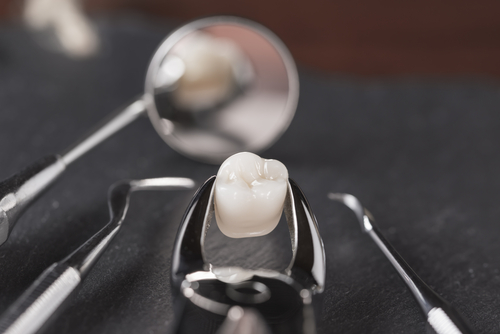
When teeth are beyond repair due to severe dental decay, one of the main causes of tooth extractions is this damage. A root canal procedure may be necessary if a cavity damages the pulp, which is the tooth’s innermost layer and contains blood vessels and nerves. The only practical alternative to stop the infection from spreading to neighboring teeth and gums, though, is extraction if it has grown too severe. Similar to this, extensive gum disease (periodontia) can lead to teeth becoming loose because the supporting bone and tissue deteriorate, requiring the extraction of the teeth.
In addition, orthodontic procedures frequently involve the extraction of teeth. When the mouth is overly full, extracting some teeth can free up enough room so that braces or other orthodontic appliances can be used to properly align the remaining teeth. Achieving both a functional bite and a smile that looks good often depends on this. Furthermore, third molars, or wisdom teeth, are routinely extracted. Usually appearing in late adolescence or early adulthood, these teeth can lead to issues including impaction, which is the failure of a tooth to fully erupt from the gum line, crowding, or infection. Wisdom tooth extractions done early on can help avoid future discomfort and issues.
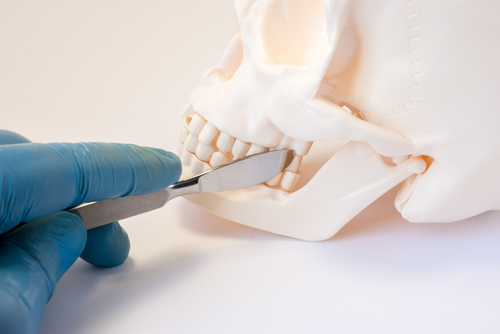
Depending on the location and state of the tooth, the extraction process itself may be simple or intricate. When a tooth is visible in the mouth, a straightforward extraction is done. The elevator is the tool that the dentist uses to release the tooth, then forceps are used to extract it. To ensure the patient feels as little discomfort as possible, local anesthetic is used to numb the area.
In contrast, teeth that are difficult to reach, including impacted wisdom teeth or teeth fractured at the gum line, frequently need a surgical extraction. In certain instances, the tooth may need to be cut into portions for simpler removal, and this treatment may require making an incision in the gum to gain access to the tooth. Oral surgeons usually undertake surgical extractions, and patients are kept comfortable with the use of local anesthetic or sedation.
After extraction, care must be given to promote healing and prevent problems like dry socket, which is a painful condition that develops when the blood clot at the extraction site comes loose. Patients are instructed to bite down on a piece of gauze to stop bleeding and aid in the formation of a clot after the extraction. It’s critical to take a day or more off from exertion and rest. Rinsing, spitting, and straw use can cause the clot to come loose, thus patients should refrain from doing these things. In addition to using over-the-counter painkillers to treat discomfort, applying an ice pack to the cheek can assist minimize swelling.
For the first several days after recovery, soft foods and lots of fluids are advised; as time goes on, more solid foods can be added. Sustaining dental hygiene is crucial, however when brushing and flossing, caution should be used to avoid the extraction site. After the first twenty-four hours, the region can be kept clean by rinsing with a warm saltwater solution.
In summary, surgical or simple tooth extractions are essential to preserving oral health. In order to stop more issues, they treat serious decay, infection, crowding, and troublesome wisdom teeth. Appropriate post-extraction management reduces discomfort and promotes easy healing. Patients can recuperate fast and keep their mouths pain-free by listening to their dentists and practicing good oral hygiene.