
The ailment known as temporomandibular joint (TMJ) disorder, or TMJ for short, affects the jaw joint and the surrounding muscles that move the jaw. Chewing, speaking, and yawning are all made possible by this intricate hinge that joins the jawbone to the skull. Issues in this region can cause a great deal of discomfort as well as a variety of symptoms that can make regular tasks difficult.
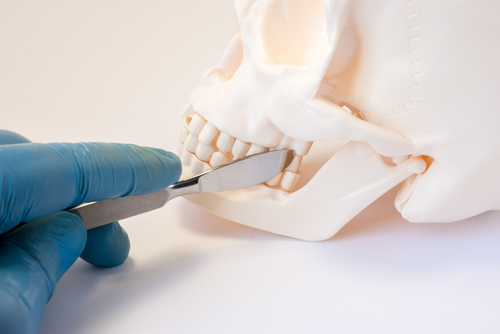
Jaw joint and muscle discomfort and dysfunction are common symptoms of TMJ problems. TMJ can have a variety of reasons, many of which include several variables working together. These can include heredity, arthritis, jaw trauma, and habits including clenching and grinding teeth (bruxism). Stress can worsen TMJ symptoms by increasing muscular tension and clenching the jaw.
TMJ issue is frequently accompanied by jaw pain or stiffness, painful pain in and around the ears, discomfort or trouble eating, and locking of the joint, which makes it difficult to open or close the mouth. When opening or closing their mouth, some people may also hear a popping or clicking sound; however, this isn’t usually a sign of discomfort or the severity of the ailment. Because the muscle and nerve networks in these locations are interlinked, headaches, neck discomfort, and shoulder pain are also commonly linked to TMJ issues.
TMJ dysfunction diagnosis frequently requires a thorough approach. A thorough medical history and physical examination are usually done first by a healthcare professional. They might listen for joint sounds, feel the jaw joint and the muscles around it, and check the range of motion. A more thorough understanding of the structure of the joint and assistance in identifying any underlying problems, such as arthritis or cartilage damage, can be obtained through imaging techniques like X-rays, MRIs, or CT scans.
Depending on the underlying reason and severity of the symptoms, there are different treatment options for TMJ condition. The initial line of defense is typically conservative treatment. These can include stress reduction methods, the use of mouthguards or other oral appliances to stop teeth grinding, and physical therapy activities to stretch and strengthen the jaw muscles. Over-the-counter anti-inflammatory drugs are frequently used to treat pain, but in more extreme situations, prescription opioids or muscle relaxants may be required.
More intrusive procedures may be considered when conservative therapy proves ineffective. These can include draining the joint to remove dirt and inflammatory byproducts, or arthrocentesis, which includes injecting corticosteroids to relieve inflammation. In the worst situations, it may be required to replace or repair the injured joint by surgery using techniques like arthroscopy or open joint surgery.
Although having a TMJ issue might be difficult, there are a number of self-care techniques that can assist control symptoms. These include using heat or cold packs to the afflicted area, eating soft meals to lessen jaw strain, avoiding severe jaw motions like chewing gum or broad yawning, and adopting proper posture to ease muscle stress. Additionally, practicing stress-reduction methods like yoga, biofeedback, or mindfulness can help to improve symptom control and reduce overall muscular tension.
Although TMJ issues can be excruciating and bothersome, many patients find relief by combining lifestyle changes with medical intervention. People with jaw pain or dysfunction must consult a doctor to figure out the best course of action. For patients with TMJ issues, early management frequently improves the quality of life and stops the progression of symptoms.