
A dental crown is a common restorative dentistry technique used to cover and protect a weak or fractured tooth. These caps, which mimic natural teeth, are placed over the original tooth to restore its size, shape, strength, and appearance. Crowns can be made of porcelain, ceramic, metal, or a combination of these materials, depending on the patient’s demands and the tooth’s location in the mouth. Every substance offers a special set of benefits.
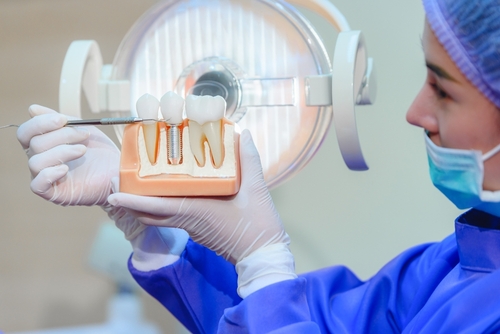
A dental crown may be required for a variety of dental disorders. Restoring a tooth that has had root canal therapy or has been seriously weakened by decay is one of the primary objectives. A crown helps prevent further damage and preserve the remaining tooth structure. Tooth deterioration or fractures are also replaced with crowns to guarantee both function and aesthetic appeal. Crowns can also be used to support dental bridges, cover dental implants, and improve the appearance of teeth that are broken or crooked.
Typically, the crown operation takes two dentist appointments to finish. During the first appointment, the dentist removes any decay from the affected tooth and reshapes it to fit the crown. If there isn’t enough dental structure left, the tooth might be filed down or strengthened with filling material. The tooth is prepped and then an impression is taken in order to create a replica of it. This imprint is sent to a dental laboratory, where it is used to create the custom crown. A temporary crown is placed on top of the tooth to protect it while it is being restored.
The second crown is taken out and the permanent crown is fitted and cemented in place during the second visit. The dentist will assess the fit and bite and make any necessary adjustments to ensure comfort and functionality. Once securely affixed, the crown ought to have the appearance and functioning of a natural tooth.
There are several benefits to employing various materials for crowns. Porcelain and ceramic crowns appear natural and are a wonderful alternative for front teeth since they may be color-matched to the adjoining teeth. Metal crowns, such as those composed of gold or other alloys, are commonly used for molars, the teeth that are subjected to the greatest amount of chewing power, because to their strength. Porcelain-fused-to-metal (PFM) crowns balance strength and beauty with a natural-looking porcelain exterior set on a strong metal foundation.
An essential component of dental crown maintenance is maintaining appropriate oral hygiene. In order to preserve the well-being of the crowned tooth and the neighboring teeth, it is essential to brush and floss twice a day and to make regular appointments for dental examinations and cleanings. Although crowns cannot decay on their own, the tooth beneath them and the gum tissue around them can still become infected with plaque and rot, which is why dental hygiene is so important.
Dental crowns can endure for many years with the correct care, but they are not permanent and may eventually need to be replaced. A few factors that could limit the crown’s lifespan are its material, where it is placed in the mouth, the patient’s dental hygiene habits, and the amount of wear and strain. Avoiding habits that could damage your crowns, including as grinding your teeth, chewing on hard objects, and using your teeth as tools, is imperative.
To sum up, dental crowns are a versatile and practical solution for restoring damaged teeth, improving aesthetics, and enhancing oral function. Because they shield and reinforce weak teeth, crowns are essential to maintaining oral health and preventing further issues. Regular dental examinations and good oral hygiene have a major role in the longevity and success of a dental crown.